
Whole-House Generators in Harrisburg, PA
Answer a few questions, select your appointment date, and we'll dispatch our expert technicians.
 Book Now
In the case of an emergency, we do offer after hours service:
717-938-2521
When those dark and stormy nights knock your power out, and the only light you have is a small flashlight, one of the things you will wish you had invested in will be a reliable standby generator.
Having a backup power source helps offset the downtime when your home is without power and, therefore, protects your food from spoiling and ensures your whole house is well-lit and secure. Instead of crossing your fingers and hoping power will be restored quickly, get peace of mind with a whole-home generator from Handyside Plumbing, HVAC & Electrical.
Our team has become the trusted source for generator installation, repair, and maintenance in Harrisburg, PA, and the surrounding areas. We specialize in various solutions and will make sure you never have to worry about a power outage again. Get ready for the next big storm by contacting us today!

 What Is a Standby Generator?
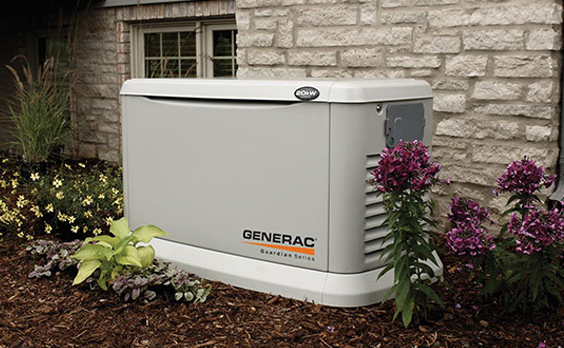
A standby generator is a permanent installation that automatically provides backup power to your home during a power outage. These units usually operate on natural gas or propane and are connected to your electrical panel via an automatic transfer switch.
Our whole-home generator installers have extensive experience working on these standby generators and know how to safely and effectively integrate them into your home’s electrical system. Whether you want enough backup power for just the essentials or to handle all of your electrical needs, we have you covered. We also offer generator repair throughout the Harrisburg, PA, area, so if issues arise, we’ll be right there.
Types of Whole-Home Generators Based on Fuel Source
Selecting the right generator for your home often involves weighing the pros and cons of different fuel sources for the generator. After all, the type of fuel used impacts everything from efficiency to reliability. Handyside offers a variety of options to suit your preferences and needs.
Read More
Natural Gas Backup Generators
Natural gas is a clean and convenient fuel source for whole-home generators. It is directly connected to your home’s natural gas line for a continuous supply of fuel during extended power outages. With a home standby generator running on natural gas, you can enjoy a reliable and eco-friendly power source for your entire house.
Propane Backup Generators
Propane is a versatile fuel option for backup power. It is stored in a dedicated tank on your property, making it readily available when needed. Propane generators are known for their high power output and are an excellent choice for homeowners looking for a reliable backup power solution.
Diesel Generators
Diesel generators are known for their durability and ability to provide power output for heavy-duty applications. They are a popular choice for homeowners with specific power needs or those in remote areas where other fuel sources may not be readily available.
Bi-Fuel (Dual-Fuel) Generators
Bi-fuel generators combine the advantages of two fuel sources, typically natural gas and diesel or propane. This dual-fuel system offers flexibility and extended runtime during prolonged power outages, making it a popular choice for homeowners seeking reliable backup power.
Solar Generators With Battery Backup
Incorporating solar generators with battery backup into your backup power strategy can reduce your reliance on traditional fuel sources. Solar generators harness the power of the sun to charge batteries, providing eco-friendly and sustainable backup power for your home.
The Home Generator Installation Process
When you reach out to us about a whole-home generator installation in Harrisburg, PA, our team will assess your power needs to determine the right generator capacity. We’ll then install the unit, set up the transfer switch, and connect the generator to your natural gas line or other fuel source. If needed, we can also perform an electrical panel replacement or update your circuit breakers to support the new generator. Before long, your new whole-house generator will be ready to protect your home during a storm and address your power needs even when the whole neighborhood goes down.
The Benefits of a Whole-Home Generator Installation
Installing a whole-home generator is one of the single best investments you can make for your property and your family’s well-being. This is because the benefits go far beyond just keeping the lights on:
- Reliable Backup Power: With a professionally installed standby generator, your home automatically regains power seconds after an outage. You don’t need to lift a finger, and you don’t risk losing food, comfort, or safety.
- Comfort During Extreme Weather: Whether a winter storm knocks out power or summer heat overwhelms the grid, a whole-home generator keeps your heating and air conditioning system running. This means your home stays comfortable all year long.
- Protection for Your Appliances & Electronics: Power surges and voltage drops can damage appliances, electronics, and even home wiring. A standby generator provides stable, controlled power to keep everything running smoothly.
- Improved Home Value: Homes equipped with standby generators appeal to buyers, especially in areas prone to storms or outages. It’s a feature that can boost resale value and market desirability.
- Safety & Security: From preventing pipes from freezing in winter to keeping security systems active, a standby generator installation protects more than your comfort — it helps safeguard your home.
Whole-Home Generator Maintenance in Harrisburg, PA
Proper maintenance is key to ensuring your standby generator’s reliability when you need it most. Our home generator maintenance services include regular inspections, oil and filter changes, and testing to keep common problems at bay. Consider annual or bi-annual checkups to make sure your generator is always prepared for unexpected power loss.
Standby Generator Repair in Harrisburg, PA
Despite regular maintenance, generators may occasionally require repairs. If you notice any of the following issues, call our electrical repair technicians for a prompt home generator service:
- Unusual noises or vibrations
- Difficulty starting or frequent starting failures
- Reduced power output
- Fuel or oil leaks
- Warning lights or error codes
- Irregular maintenance history
Learn More About Our Generator Installation, Maintenance, and Repair Services in Harrisburg, PA
Are you ready to safeguard your property with reliable backup power? Contact Handyside today for professional generator installation, repair, and maintenance in Harrisburg, PA. Our team is ready to help you choose the right generator for your needs and ensure it’s installed and maintained correctly.
Whole-Home Generator FAQs
How does a whole-home generator work?
A whole-home generator connects directly to your home’s electrical panel and fuel source. When the system detects a power outage, it automatically switches on and delivers electricity to your home within seconds. Once power from the electrical grid is restored, the generator shuts off and returns to standby mode.
What’s the difference between a standby generator and a portable generator?
A standby generator is permanently installed, operates automatically during outages, and runs on a continuous fuel source like natural gas or propane. Portable generators must be manually started, require extension cords, and use gasoline. For these reasons, whole-home generator systems are safer, more powerful, and ideal for dependable operation.
How long can a whole-home generator run during an outage?
Most standby generators can run for days, depending on the size of the unit and the available fuel supply. For example, natural gas generators can run as long as fuel is supplied by the utility, and propane generators will run until the propane tank is depleted, though large tanks can support extended outages.
What size generator do I need for my home?
The right size depends on your home’s electrical demands and which appliances you want to power. Smaller homes may require a 14-20 kW generator, while larger homes or homes with high-demand appliances (like electric heat or multiple HVAC systems) may need a 22-48 kW system. Our whole-home generator installers can evaluate your needs and recommend the right size.
How much does a whole-home generator cost?
This is a common question, and the answer varies greatly depending on two main factors: the size of the generator (measured in kilowatts, kW) and the complexity of the installation.
A smaller unit that only powers essentials will cost less than a large unit that powers an entire 4,000-square-foot home. Other installation factors that affect the cost of a generator include the distance from the generator to your electrical panel and gas meter, the type of fuel (natural gas vs. propane tank), and any necessary electrical panel upgrades. The best way to get accurate pricing is to schedule a consultation with our team so we can perform a load calculation and assess your specific needs.
Do whole-home generators require maintenance?
Yes. Standby generators need routine maintenance to stay reliable. This typically includes oil changes, filter replacements, battery checks, and system diagnostics. Most manufacturers recommend annual or bi-annual maintenance for optimal performance and longevity. Our electricians can take care of these maintenance tasks for you.
How loud is a whole-home generator?
Modern standby generators are designed to operate quietly, usually between 60 and 70 decibels, which is similar to the sound of a running AC unit. Placement during installation also helps minimize noise around your home. For the best results, contact our professionals for a residential generator installation.
Will a generator power my entire house?
Yes, if you choose a whole-home generator sized to meet your home’s electrical load, your system could power everything from your lights and appliances to your HVAC systems, sump pumps, medical equipment, and more. To save on costs, some homeowners opt for partial-home coverage.
Is a permit required for generator installation?
In most cases, yes. Automatic backup generator installations typically require electrical and gas permits. Our generator installers will handle the permitting process for you so that you don’t have to worry about a thing.
How long does installation take?
Most whole-home generator installations take one to two days, depending on site preparation, electrical work, and fuel line connection. Additional time may be needed for inspections or permitting, but the installation process itself is typically quick and efficient.